
February, 2026
Bengaluru, India
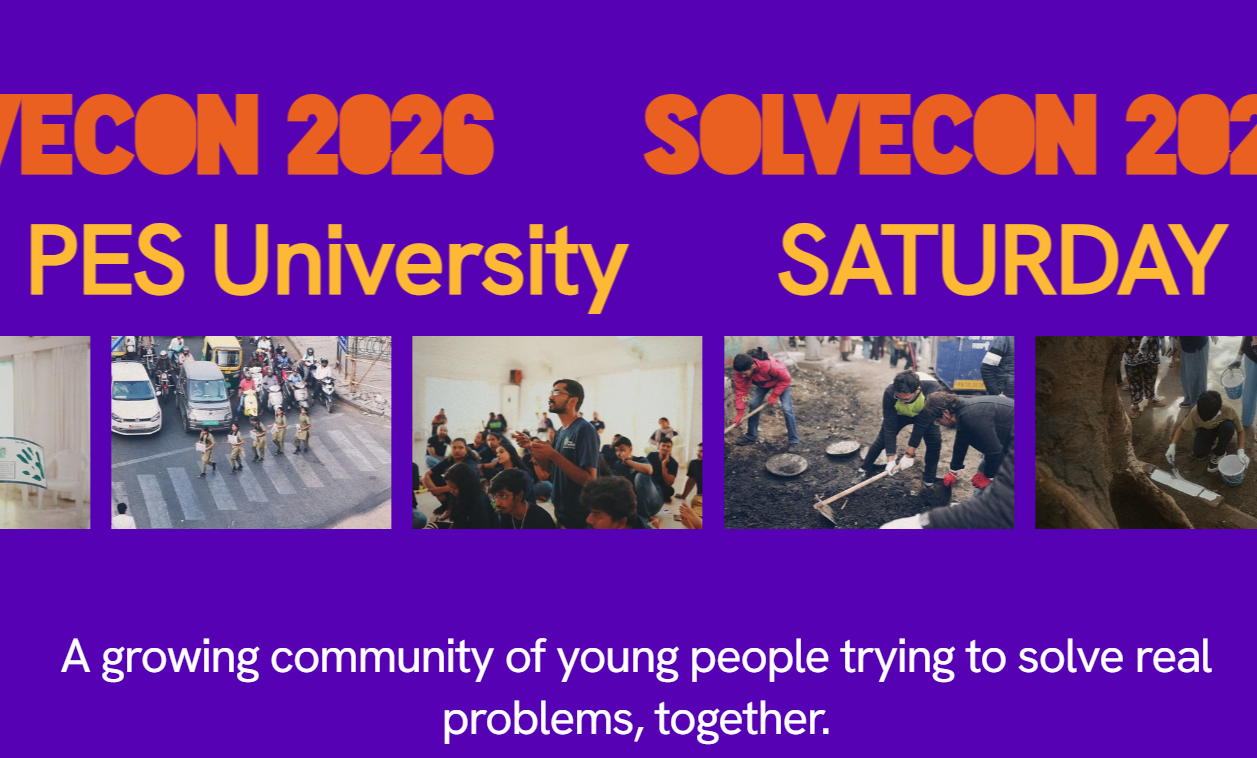
SolveCon is an annual gathering of changemakers organized by ReapBenefit in Bengaluru. The 2026 edition is hosted at the PES University. SolverJams are an hour long sessions where participants are taught skills to solve a civic issue.
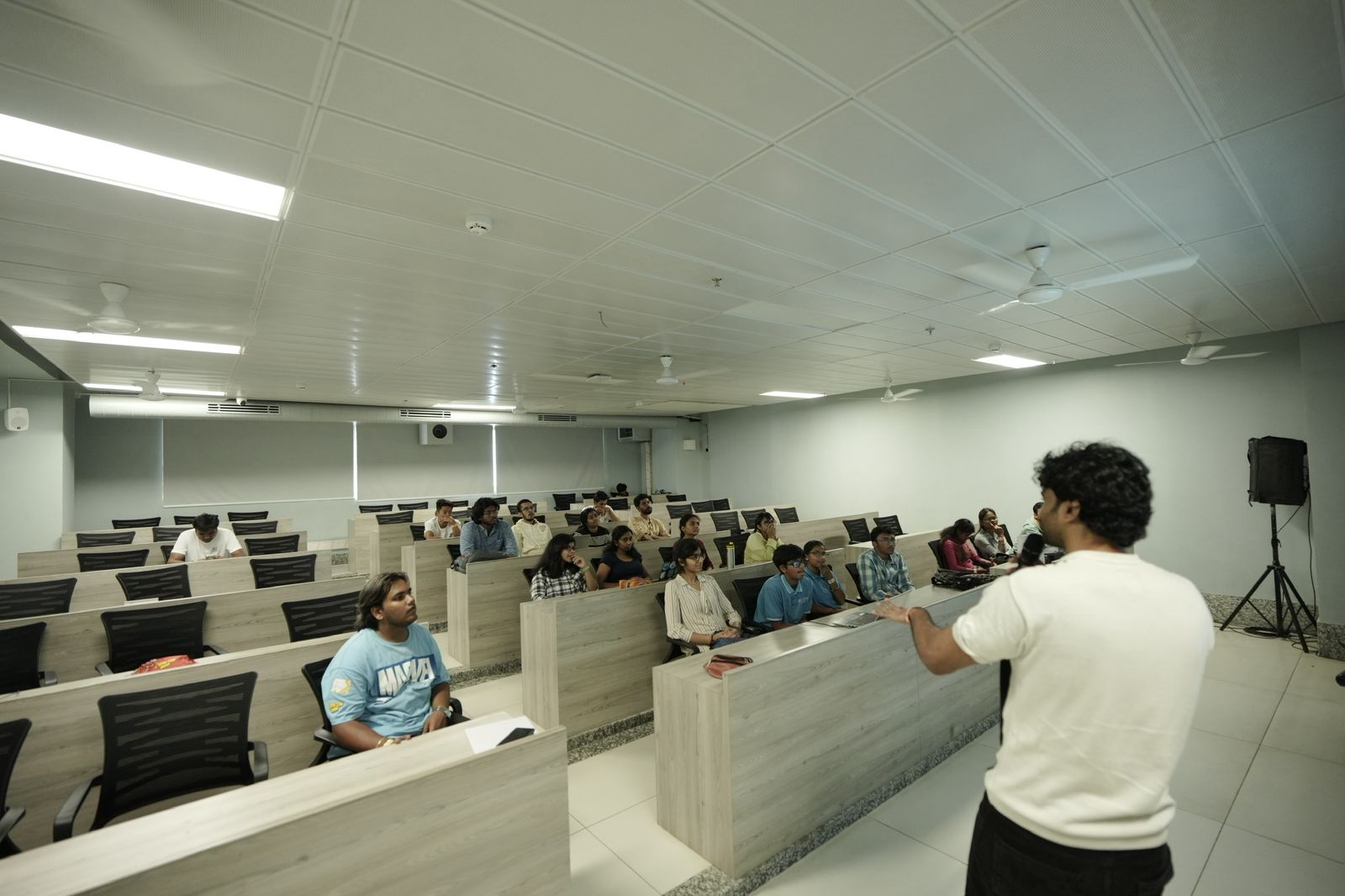
UEinfo hosted a SolverJam called “Using Math to Fix City Problems”, where we introduced participants to a high school math concept – Linear Programming. Starting from a simple two variable time management problem during exams, which can be solved graphically, the session proceeds with increasing complexity that requires computer based solvers. The session introduced ‘Open Solver’ tool on Google Sheets to solve linear programming problems. The session ended with applying this tool on civic issues like air pollution and nutrition.
About 25 people participated. Most of them were students, the youngest two from 8th and 9th standards.
 |
 |
 |
Link to emissions and pollution modeling tools.
Beginners handbook on assembling air pollution models [download] – See chapter “O” for use of optimization and linear programming techniques in air pollution analysis.
Example air pollution problem concepts:
- Air Quality Scenario Players
- Version-01 [Download calculator] – calculates population weighted concentrations based on zonal averages of an airshed and allows to build scenarios against % reduction in zonal pollution. [online-version]
- Version-02 [Download calculator] – based on source apportionment results, allows to build scenarios against % reduction in each source [online-version]
- Version-03 [Download calculator] – solves for net zonal reductions required to reach an overall target using maximum possible reductions by zone as input
- Version-04 [Download calculator] – solves for net zonal reductions by source required to reach an overall target using zonal source-apportionment results and maximum possible reductions by zone as input
- Version-05 [Download calculator] – solves for net zonal reductions by source required at least cost using zonal source-apportionment results, maximum possible reductions by zone, and cost per unit pollution reduction by source as input
- Version-06 [Download calculator] – demonstration of source-receptor matrix concept linking zonal concentrations to associated grids (15 x 15 grid airshed) and allows to build scenarios against % reduction in each zone